"Let's build a service department." We ended up with an AI ops stack.
Chapter one of how our fire sprinkler company ended up with a lead dev, Claude Code, an AI agent, and an ops system built around how we actually work.
"Let's build a service department."
That was my dad's challenge to me in early 2024, a few months before I went to Vegas. Service Fire started in 1995, and we're a veteran-owned company. Before the service push we were heavy in fire sprinkler installs, and we still are. We put a lot of systems into schools. Service is the work that comes after the install: inspections, testing and repairs on systems already in a building.

In August 2024, in the middle of what became our biggest year ever, I went to Las Vegas for Acquisition.com's Scaling Workshop. I went for one reason: to see what it would take to get Service Fire squared away to sell.
I decided not to sell before that first event was over. I came home convinced I was going to become a Google Ads expert and build that service department.
The person I'd need had already crossed our path more than a year earlier, over a backflow test at his own house.
A backflow test and a paper check
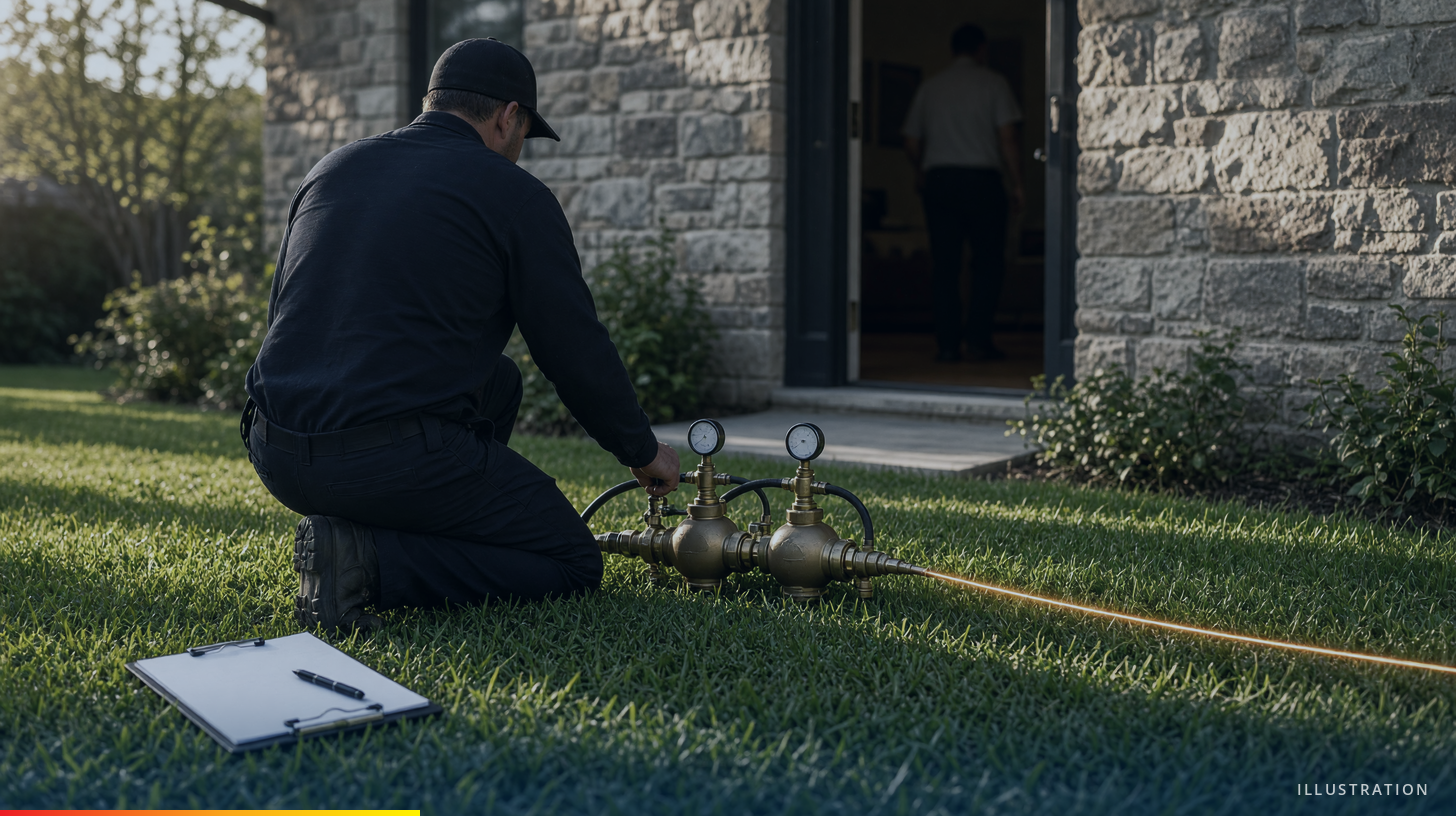
In April 2023, one of our techs went out to a house for a backflow test. The neighbors had recommended him. A backflow test checks the valve that keeps a home's water from flowing back into the public water supply. When it was time to pay, the homeowner asked how. The answer was a paper check, since we had no way to take payments online.
The homeowner told my tech to pass his info along to me, because we should be taking payments online. That homeowner was Josh. I didn't know it yet, but he'd end up building the system we now run our operations on.
Around June 2023 our email broke. Our previous IT person had left, and someone from the office called Josh. He fixed it as part of a website package, and that turned into Service Fire's first real website. Before that, we were mostly a Facebook page.
At the time Josh was running two small businesses of his own: CowPunch Sites, which built websites, and Bearjack Marketing, which set up CRMs and AI bots for small businesses. For about a year and a half after that, he just ran our website. Nothing about it looked like the start of anything.
The landing page I asked for

In November 2024 I asked Josh to add a landing page for some Google Ads I wanted to run. He wrote back pitching something bigger: automated text follow-up that could prequalify leads and follow up within minutes. His point was that ads, landing pages and lead handling aren't simple unless you've done them before, and a full follow-up system fit our business better than a standalone landing page. We got on the phone, and we went ahead.
The lunch came later, once Josh thought he could offer us more than I knew I needed. It was Josh, me, and someone who had just started at our office, and Josh walked me through the CRM and AI bot system he'd been running. After that lunch I signed up for the CRM and bot setup. Josh connected me with an ads specialist he knew. We built the landing pages, and the leads started turning into actual sales.
The first thing Josh built was automated lead response. AI bots engaged every inbound lead right away, so our sales guys didn't have to drop everything each time one came in. The bots worked from a question set my team and I helped define, based on what a qualified lead actually needed to tell us. The goal was a fast first touch, every lead tracked, and everything in one place.
What was living in our heads

Then Josh started finding what he finds in a lot of consulting work, only bigger. Most of our processes weren't automated. They were loosely defined, they lived in people's heads, and nothing closed the loop.
If I wanted to know whether a rep had followed up on a lead, I had to log into the CRM and check myself. Every lead that was ready for a proposal meant somebody building one by hand, and nothing tracked whether it got sent, signed or won. Different people used different proposal formats.
The deeper Josh went, the clearer it got. Fire protection isn't an out-of-the-box business. Leads, proposals, recurring inspections, repairs and fire code are all tied together, and generic tools don't model that well. We both came to the same conclusion: if we wanted to scale, we needed a much more hands-on, built-for-us approach.
By January or February 2025 Josh was at our office regularly, doing a lot more than keeping the pages and the ad account running. Around May or June we decided he'd take a bigger role integrating the technical side of the business.
Cursor, then Claude Code

In December 2025, while he was on vacation, Josh started trying Cursor and showed me what it could do. We used it for a while, mostly for one-off tools.
In April 2026 Josh went full-time with Service Fire as our lead dev. Claude Code had gotten good enough for this kind of work, and we switched. Around the same time we made the bigger call: stop building separate apps and build one connected system. That system is Ignition.
What actually changed, as Josh puts it, was the project structure. He keeps the repo alongside a Claude project that holds our architecture docs, decision records and schema. He can find past changes anywhere in the codebase and pull that same context into design conversations, so design and code stay in sync. Opus handles architecture and decisions, Claude Code does the implementation, and the docs are the shared source of truth. In Cursor it was a lot harder to track what we'd already changed and why.
Tuesdays and Thursdays
As the builds got deeper, almost every Tuesday and Thursday meeting had a new feature to demo. I don't have a clean before-and-after number for you, so I won't make one up. The pace felt insane. Josh's short version: "once I was full-time and we were organized around Claude Code, we accelerated fast."
Some pieces take longer, especially the inspection software. We've seen parts of it along the way, but most of that work is backend infrastructure, which is slower and a lot less visible in a demo.
The second engine
Around then, Josh brought me something else. He'd seen a few early examples of AI agents and thought they were clearly the future. Instead of the ask-and-answer chat model, you give an agent instructions and it carries them out across applications. He was upfront that OpenClaw was early and nobody knew how stable it was.
I went all in anyway. I put serious time into setting it up, organizing it and figuring out how to use it well. Josh says I'm good at making a decision and committing to it. I'll take that.
For the company, it changed how we work. While Josh built the platform, I used my agent to collect and structure processes and business knowledge he didn't have time to dig into. I can turn ideas, concepts and research around fast, bring them to Josh, and he turns them into features in the repo. Josh calls it "a second engine for discovery and requirements running alongside the build."
The loop runs both ways now. Ignition has endpoints so my agent can read business data and send suggestions to Josh.
Where Ignition stands today
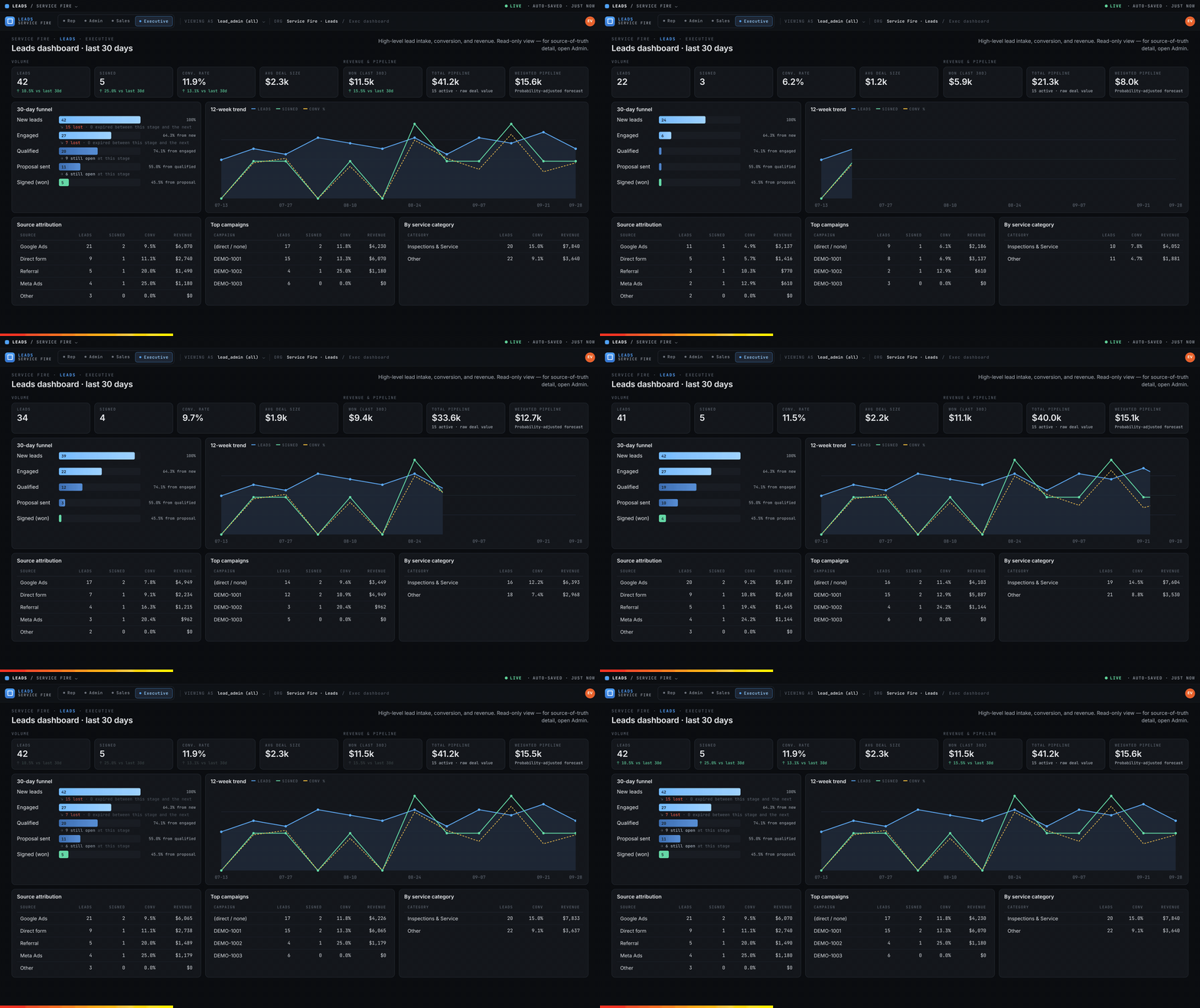
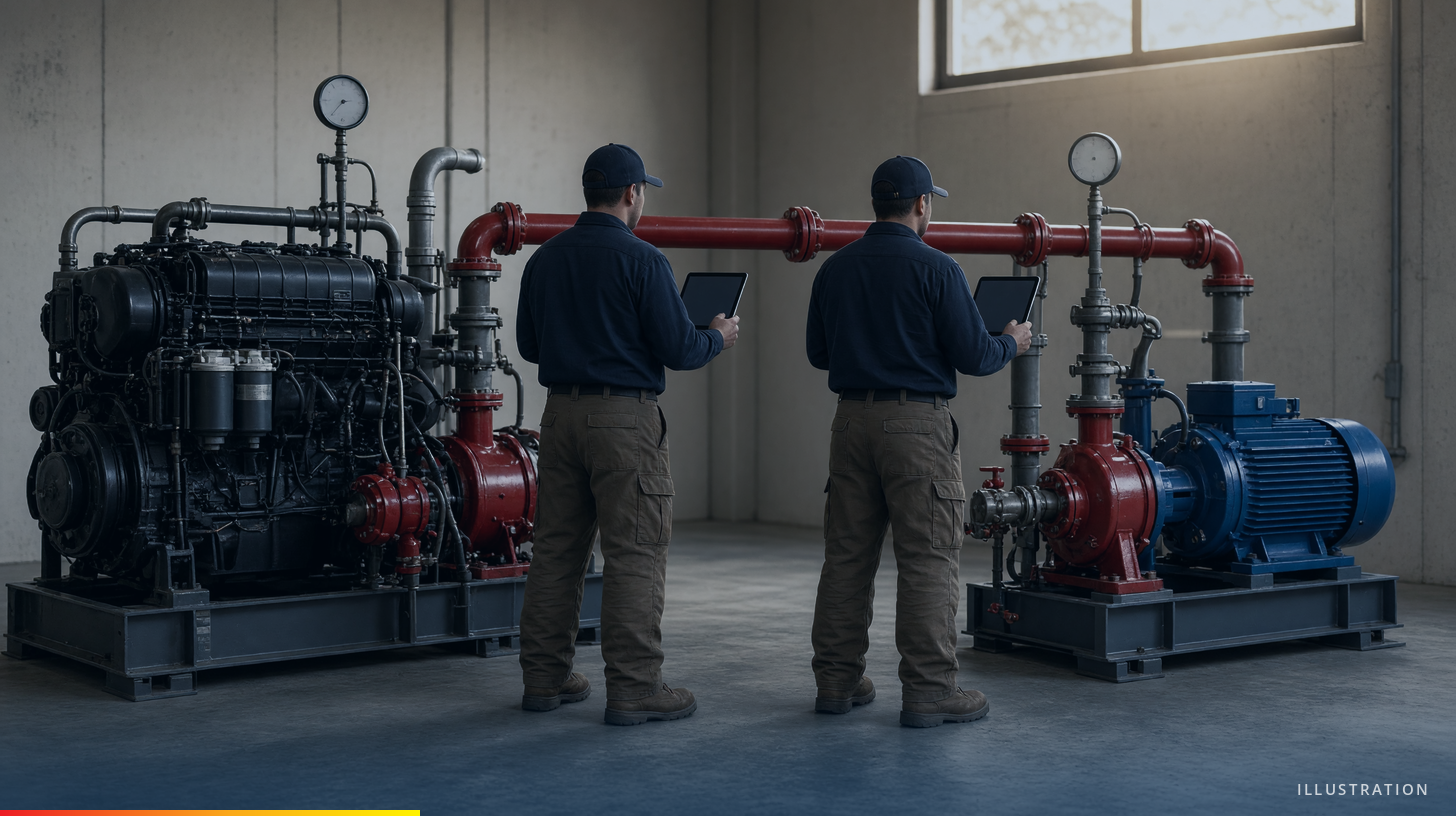
Ignition is our operations system. Josh calls it a vertical ERP built around how the work actually flows. A lead comes in and gets qualified and followed up. It becomes an estimate and a signed proposal, then a job, and for most customers a recurring inspection program. That means code-driven frequencies, checklists tied to each building system, and offline-first field capture on iPads, because mechanical rooms and stairwells don't have signal. Deficiencies flow back into repair estimates, and then invoicing. It replaces a patchwork of disconnected tools.
As of early October 2026:
Live in production - Leads: intake, a rep workspace, AI-assisted follow-up, ad attribution fed back to Google and Meta, a Slack lead feed, and site-survey requests - Estimating and proposals with e-signature and sent/signed/won tracking - Jobs that automatically create the matching QuickBooks project and job number - Inspections on the office side: building system inventory, recurring schedules, a scheduling pool, checklist templates, a review queue and issued reports - A read-only technician schedule, tasks, and read access for AI agents
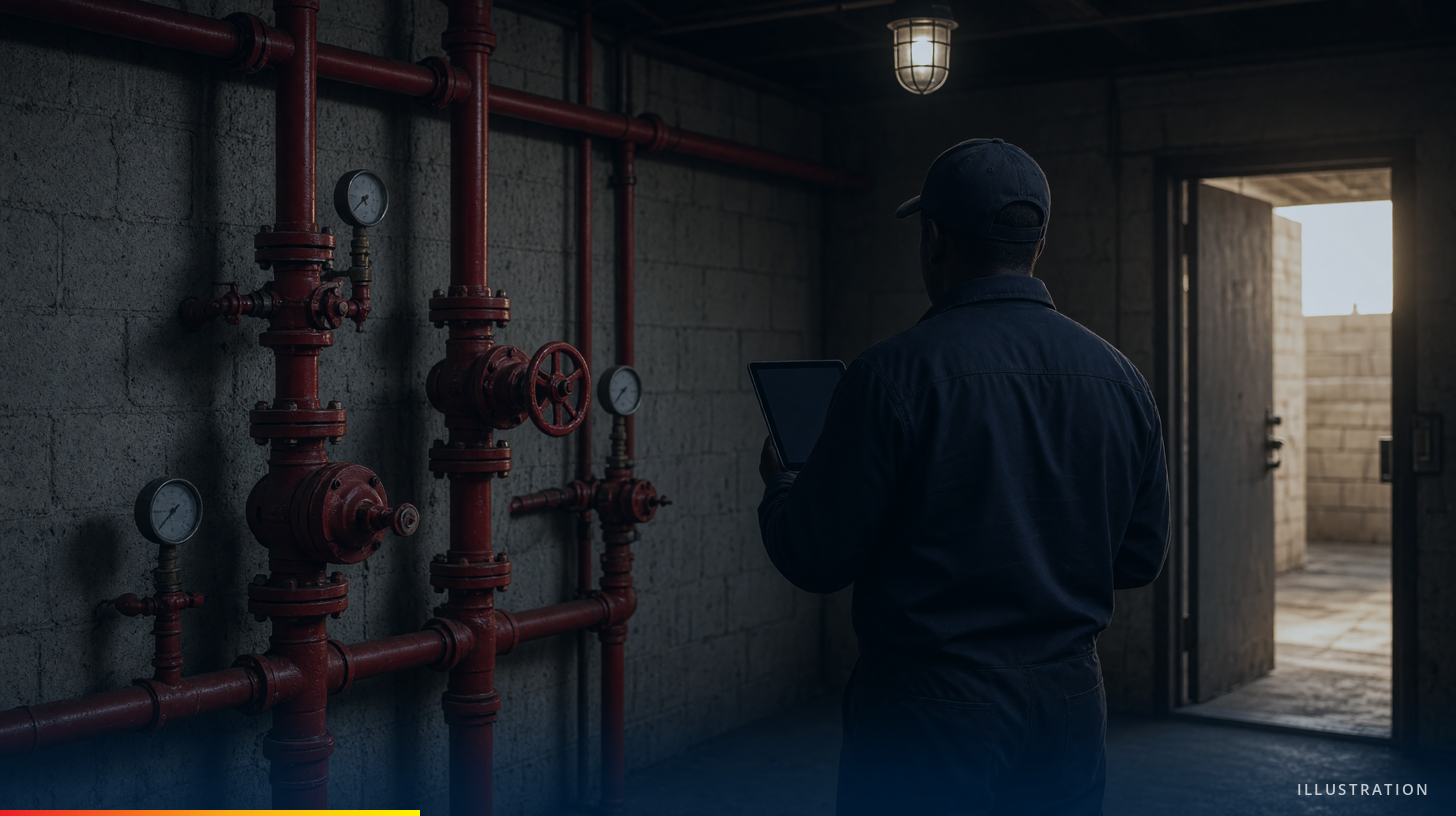
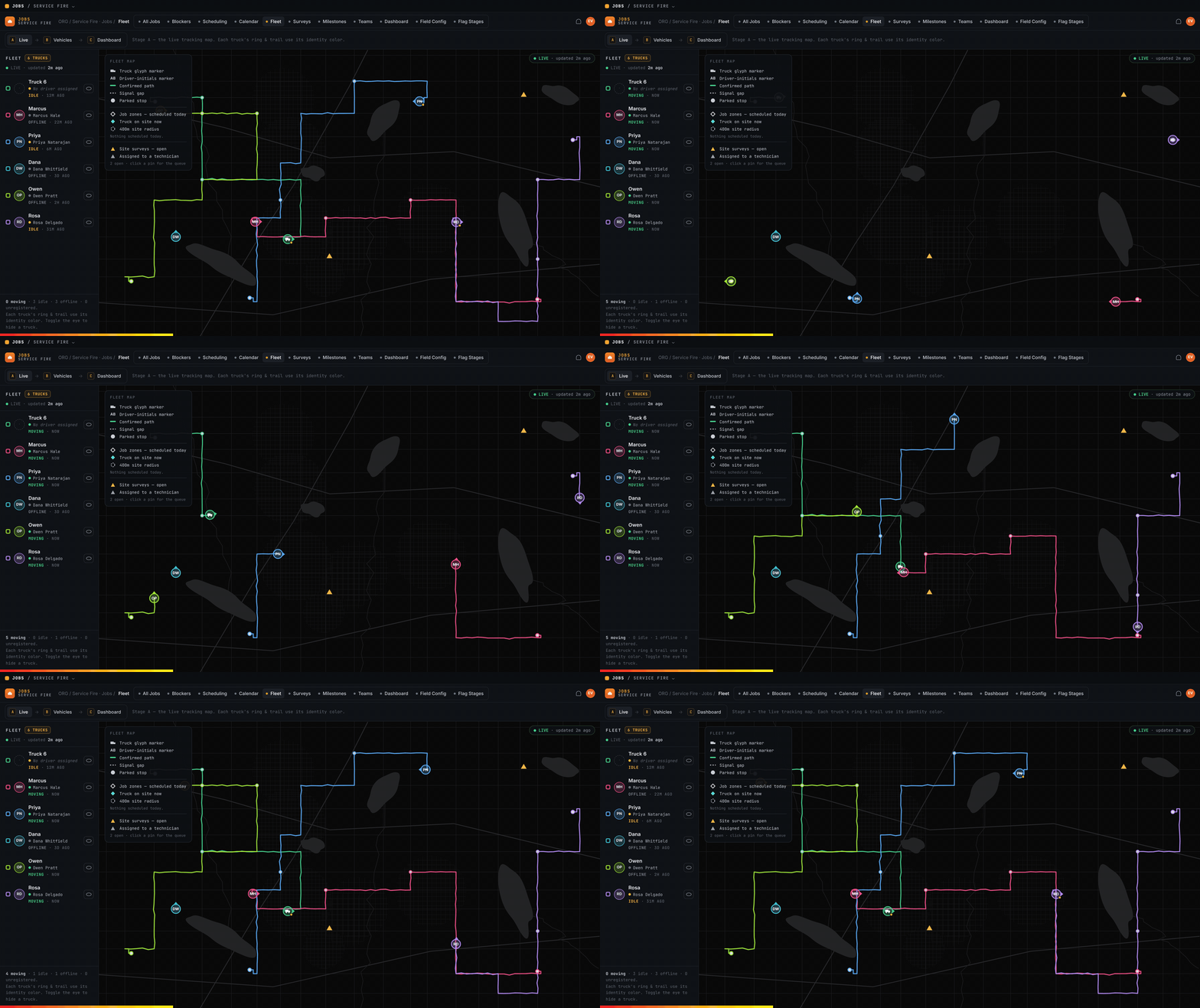
In progress - The iPad field inspection app. It's built and running on production, in final testing before a technician pilot. - An email-to-milestones pipeline, in trial - Lead follow-up visibility, estimate revisions, and polish across modules
Not built yet - Technician write surfaces: job reports, expenses, hours - Change orders
The hard part
What's hard is time. Josh and I have both put an enormous amount of it into getting here, and there's always more to do than fits in a week. Agentic coding lets us move at a pace a traditional dev setup couldn't match, and we've still built in real security and structure. Josh put it best: "The constraint now is hours, not capability."
Josh's favorite part is that it's built around how people here actually work. A lot of software is designed by someone who thinks they know how a business should run, and the company has to adapt to it. We do the first build, then go back and forth with individual employees and departments. What do you need to see? What would make your job easier?
Why I think this matters
Seemingly the entire fire protection industry has sold to private equity. From where I sit, a lot of those deals were priced on the inspection customer list, so the repair work that comes out of inspections has to carry a lot of weight to pay them back. That model also runs on layers of management, and AI is making a lot of that layer less necessary. A shop that builds its own ops layer can run leaner than that model can.
Josh made sure I'd say this part plainly. "We're not trying to build software to resell to millions of people or turn this into a SaaS company." The goal is a system that works for our business, makes our people's lives easier, and takes work off their plates. In his words: "When you can go deep into one business and tailor everything around it, that's where the magic is."
What's next
It started with my dad saying, "Let's build a service department," and a homeowner who thought we should take payments online.
2024 was our biggest year ever, and this year could beat it.
We are going to continue to build tools for Service Fire to excel. Laser focus on this little ol fire sprinkler company.
This is chapter one. Next I'll write about the GPS fleet system one of our guys built, then those Tuesdays and Thursdays. Subscribe and you'll get both.
Thanks to Josh, our lead dev, whose interview (October 1, 2026) supplied most of the dates and every line I quote from him.